

The Future of UK Horse Racing: What Happens When It’s Not On
Horse racing is one of the most storied sports in the United Kingdom, with a rich history and a passionate following. However, there are times when horse racing events are not scheduled, leading to significant questions about the sport’s future and its stakeholders’ interests. The absence of racing days can have profound implications for fans, bettors, trainers, and owners alike. As the industry grapples with this issue, it’s important to consider various perspectives and explore how UK horse racing not on GamStop horse racing betting not on GamStop can adapt to these circumstances.
The Significance of Horse Racing in the UK
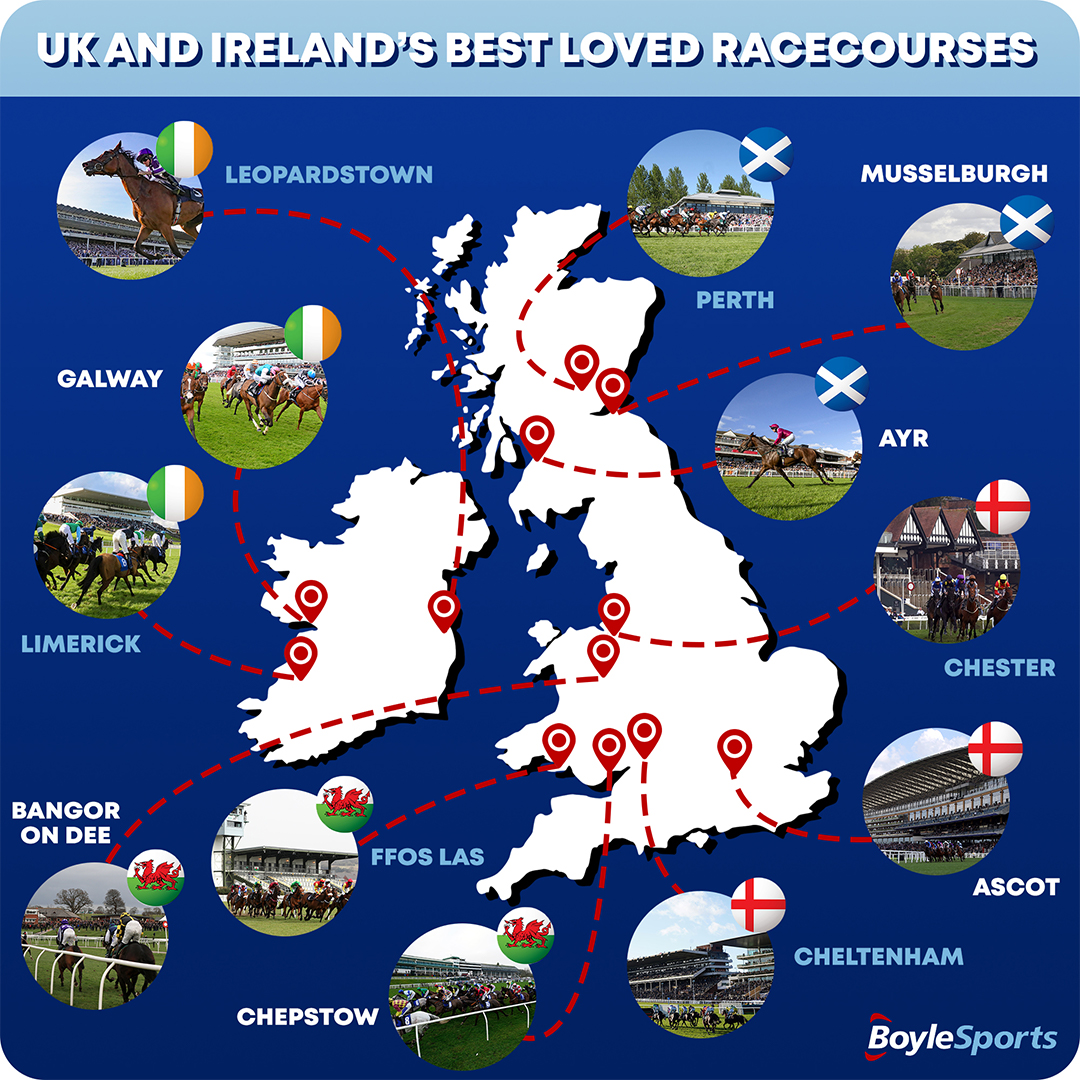
Horse racing in the UK is more than just a sport; it is a cultural phenomenon that brings together communities and generates significant economic activity. Events like the Grand National, Royal Ascot, and Cheltenham Festival attract thousands of spectators and millions of pounds in betting revenue. Beyond the glamour and excitement, the racing industry creates jobs, supports local economies, and provides a livelihood for many.
Impacts of Racing Not Taking Place
When horse racing is not on, numerous stakeholders feel the impact. Here are some of the primary consequences of a halt in racing events:
1. Economic implications
The immediate economic impact of racing not taking place is evident in lost revenues. Racecourses, trainers, and stable staff face financial uncertainty. Betting companies also encounter challenges; with no events to wager on, revenues decline, and this can lead to job losses in the industry.
2. Loss of Enthusiasm and Engagement
Horse racing fans are passionate and dedicated. When races are canceled or postponed, it disrupts the tradition and ritual of following the sport. Fans often gather in pubs, homes, or online platforms to watch races, placing bets and discussing outcomes. The absence of racing can lead to diminished engagement and enthusiasm for the sport, making it difficult to re-establish this connection once racing returns.
3. Effects on Betting Markets
Betting is a crucial component of horse racing, providing significant revenue for both the sport and betting companies. When there are no races, bettors may turn to alternative forms of gambling or even other sports. This shift can have lasting effects on the betting market, reshaping consumer behavior and preferences. As mentioned before, platforms that cater to horse racing betting not on GamStop will need to adapt their services accordingly during these downtimes.
4. Impact on Horse Welfare and Training
The welfare of racehorses is paramount in the industry. When racing is put on hold, trainers and owners face challenging decisions about caring for their horses. Without regular racing schedules, horses miss out on essential competitions that keep them fit and healthy. Also, trainers may struggle with supplying consistent exercise opportunities, which can lead to health issues for the animals.
Adapting to a Changing Environment
The UK horse racing industry must adapt and innovate during periods when racing is not taking place. Here are several strategies that stakeholders can consider to navigate these challenges:
1. Virtual Racing and Simulated Events
One way to engage fans and bettors during downtime is through virtual racing. Virtual racing has gained popularity in recent years and allows fans to place wagers on computer-generated races. This can provide a semblance of excitement and keep bettors engaged.
2. Reimagining Betting Products
Betting companies should explore new betting products to attract customers even during off-seasons. This might include offering wagers on historical data or creating fantasy leagues around horse racing. Building a relationship with consumers through innovative betting options can help maintain interest in the sport.
3. Enhancing Fan Engagement
The racing community should pursue fan engagement strategies beyond live events. This includes hosting Q&A sessions with trainers, virtual farm tours, and educational webinars about horse care and training. Utilizing social media platforms to share behind-the-scenes content can also foster a deeper connection with fans.
The Road Ahead
The disruptions caused by racing not being on reflect broader challenges facing the industry. However, by addressing these issues head-on and adopting creative solutions, the UK horse racing sector can emerge stronger than before. It will require collaboration and commitment from all stakeholders to navigate this complex landscape effectively.
Conclusion
While horse racing holds a prominent place in UK culture and partnerships are essential to its success, there will always be moments when events are not on. By preparing for these downturns and embracing innovation, the industry can protect its heritage and ensure that racing remains a vital part of the UK’s sporting landscape for future generations to enjoy.